

5083 O vs 5083 H321 Aluminum Alloy | Temper Differences
Sample: A4 Sized
Payment Terms: L/C,D/P,T/T
Delivery time: Within 15-30 Days
Email Us:sale06@mingtai-al.com
5083 aluminum alloy is a high-quality Al-Mg alloy, renowned for its excellent corrosion resistance and weldability. In industrial and marine applications, 5083 aluminum plates are primarily used in two states: Softened annealed: 5083 O state and Work-hardened: 5083 H321 aluminum alloy. Their performance differences determine their respective application scenarios.
What Is temper for 5083 Aluminum?
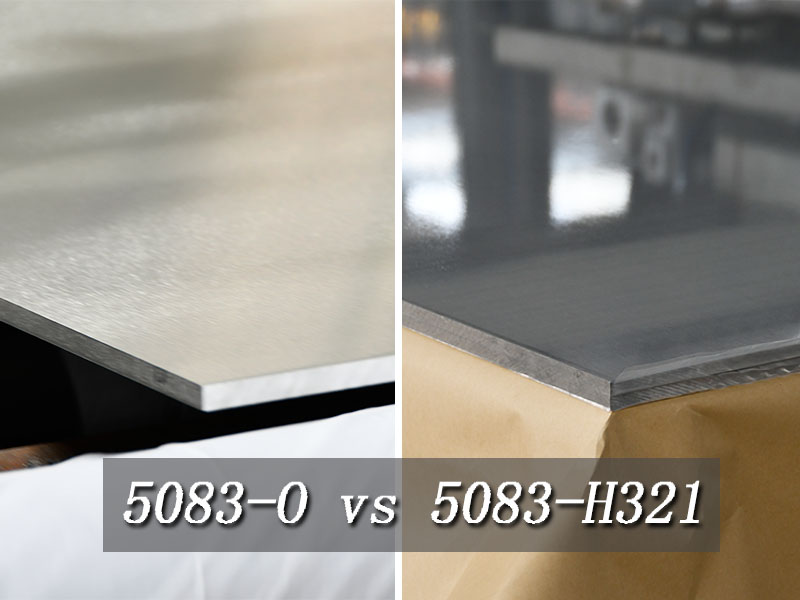
5083 aluminum is non-heat-treatable, meaning its strength is adjusted only softening or strengthening. Temper dictates the sheet’s hardness, ductility, and formability. 5083-O is the fully soft state for forming, while 5083-H321 is a stabilized semi-hard state optimized for structural strength.
5083-O Temper: Soft State for Bending & Deep Drawing
5083-O is a fully annealed soft temper with uniform grain structure and zero residual stress. Its biggest advantage is excellent formability, supporting complex bending, stamping, and deep drawing without cracking.
Retaining full natural corrosion resistance and flawless weldability, 5083-O is ideal for projects prioritizing shaping over strength.
Common uses: Custom shaped parts, automotive stamped components, deep-drawn containers, and decorative aluminum accessories.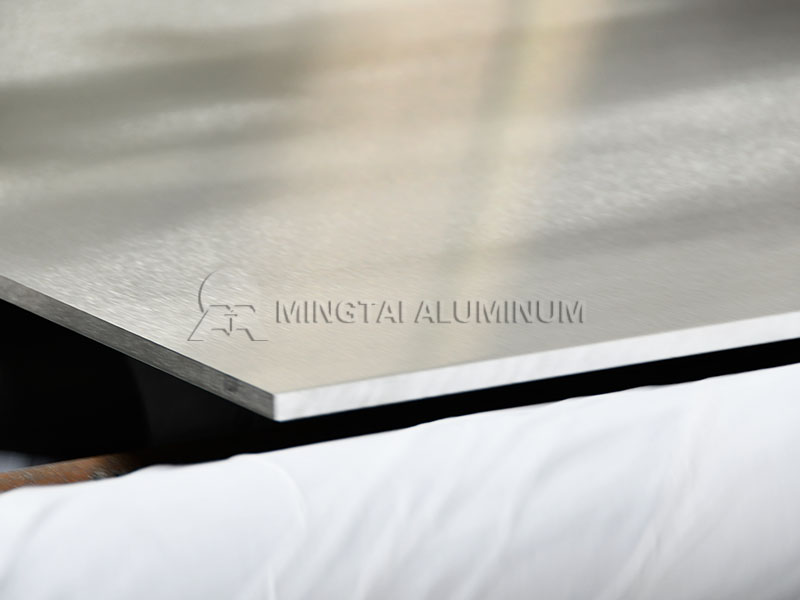
5083 H321 Aluminum Alloy: Hardened Marine-Grade State
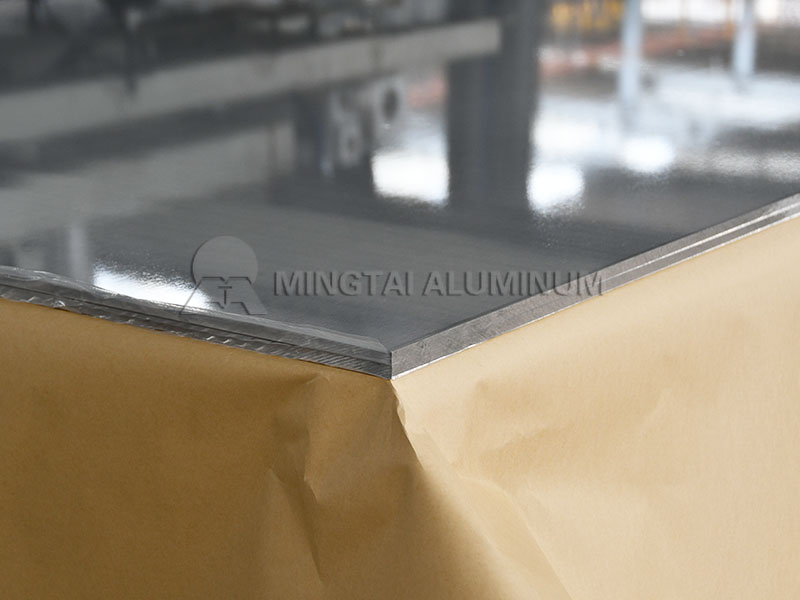
5083 H321 aluminum sheet is cold-worked and stress-relieved based on 5083-O raw material. This temper balances high strength and good toughness, avoiding the brittleness of harder tempers.
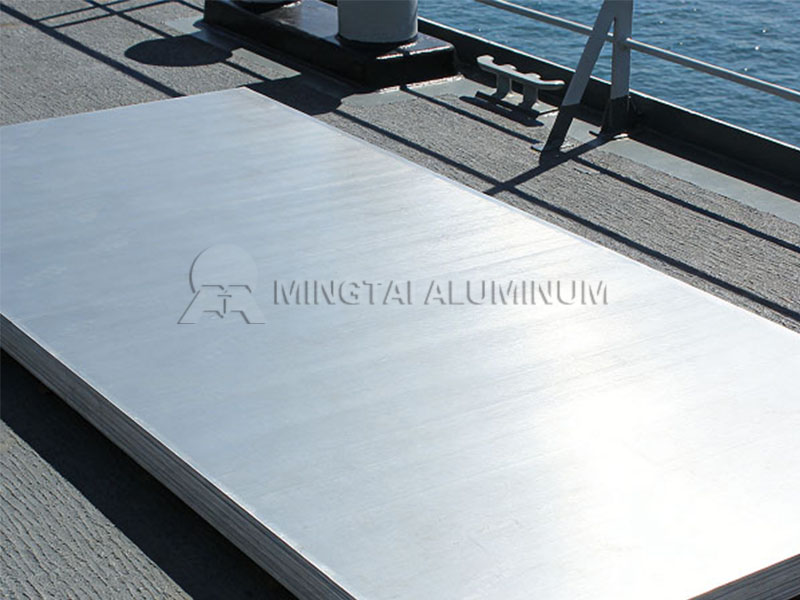
With stable mechanical properties (tensile strength: 305–380MPa, yield strength ≥215MPa), it features outstanding rigidity, fatigue resistance, and deformation resistance. As the mainstream marine aluminum 5083 temper, it withstands seawater and salt spray corrosion.
Common uses: ship hulls, decks, offshore platform structures, and heavy-load mechanical parts.
Performance Comparison
Below is a concise comparison of core properties for 5083 aluminum sheet in O and H321 tempers:
– Strength & Hardness: 5083-O has low strength and is easy to deform. 5083-H321 delivers nearly double yield strength, providing rigid structural support.
– Elongation & Formability: 5083-O has high elongation (>20%) for complex forming. 5083-H321 has lower elongation (12%–16%) and is not suitable for deep drawing or extreme bending.
– Welding Performance: Both weld perfectly. 5083-O has zero welding deformation; 5083-H321 retains higher overall structural strength after welding for load-bearing use.
How to Choose: 5083-O or H321?
Choose 5083 O temper if: Your project requires bending, deep drawing, stamping, or complex shaping, with no strict high-load requirements.
Choose 5083 H321 aluminum sheet if: You need structural rigidity, corrosion resistance for marine environments, and stable performance for long-term load-bearing applications.
The choice between 5083-O and 5083-H321 depends on your core needs. 5083 O temper is the best option for flexible metal forming, while 5083 H321 aluminum sheet is the top choice for marine grade aluminum and industrial structural projects requiring high strength and durability.