
 Henan Mingtai Al.Industrial Co.,Ltd
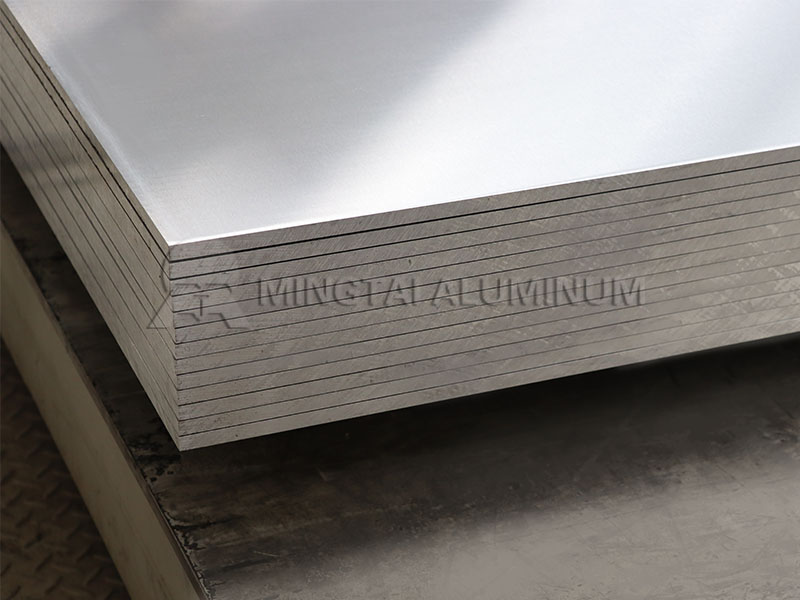
5252 aluminum plate belongs to the Al-Mg system of rust-proof aluminum alloys; it is widely used in the industrial and consumer electronics sectors due to its excellent anodizing performance and metallic texture. 5252 Aluminum Plate Specifications Thickness: 0.1 mm to 500 mm. Width: 20 mm to 2650 mm. Length: 500 mm to 16000 mm. Material […]
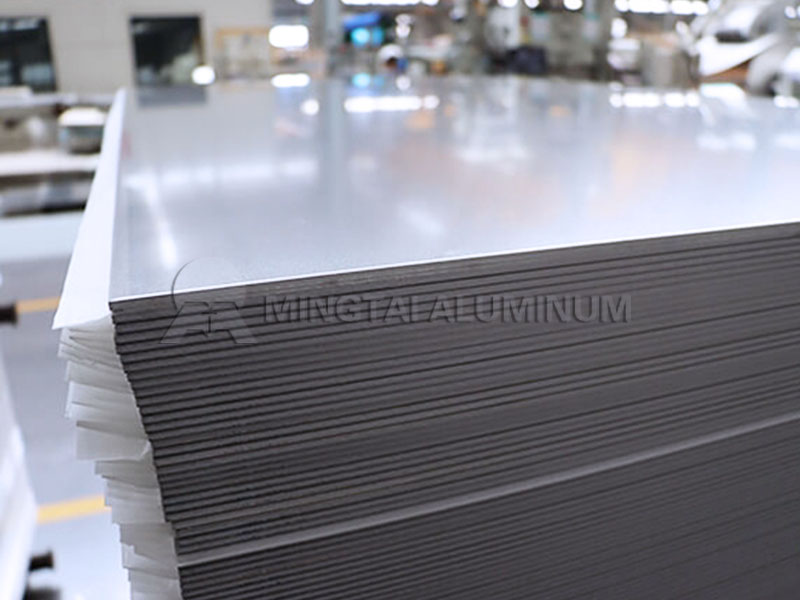
Marine Grade 5083 H116 Aluminum Plate is the material of choice for ship deck manufacturing; it belongs to the 5XXX series (Al-Mg system) of high-magnesium, corrosion-resistant aluminum alloys. Compared to traditional steel, the use of 5083 aluminum plate reduces hull structural weight by 15%–20%, significantly enhancing load-carrying capacity and fuel economy while maintaining excellent corrosion […]
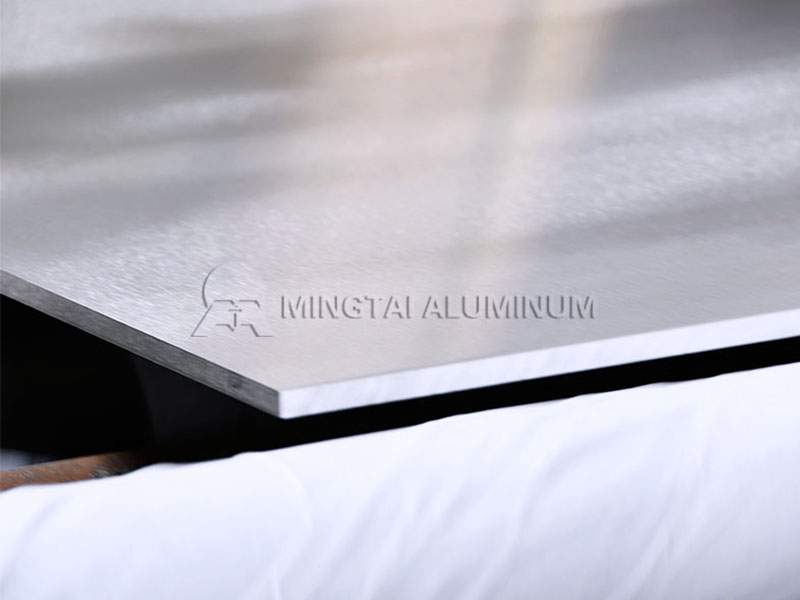
The housings for outdoor solar inverters and energy storage PCS units require a balance between structural rigidity, weather resistance, durability, and sheet metal processing performance. 5052 Aluminum Sheet has become the mainstream material choice in the industry. Facing harsh operating conditions such as coastal salt spray, high-humidity factory areas, and open-air photovoltaic power stations, 5052-H32 […]
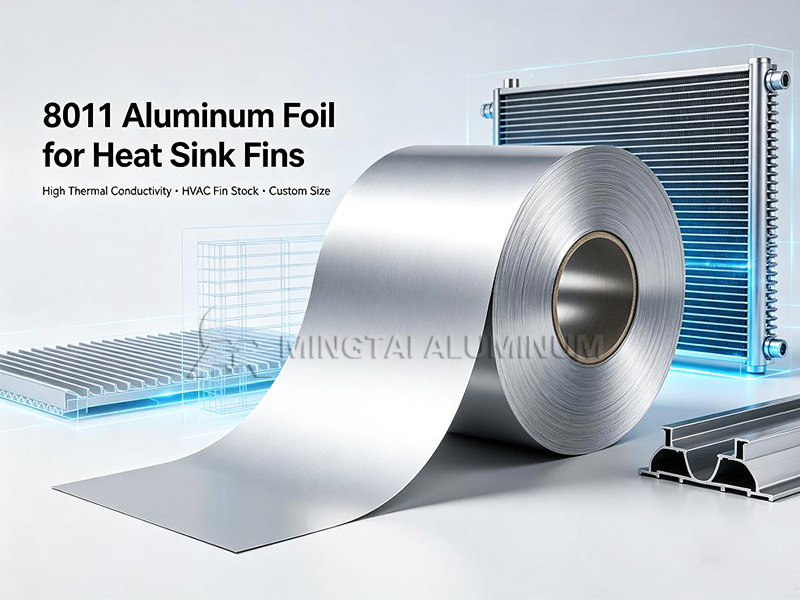
8011 aluminum foil is the most widely used fin material in heat sinks, evaporators, and condensers in the HVAC, refrigeration, and heat exchange industries. Its balanced strength, ductility, and thermal properties make it suitable for large-scale fin stamping production, offering outstanding performance advantages and high efficiency, making it popular in the market. Performance of 8011 […]
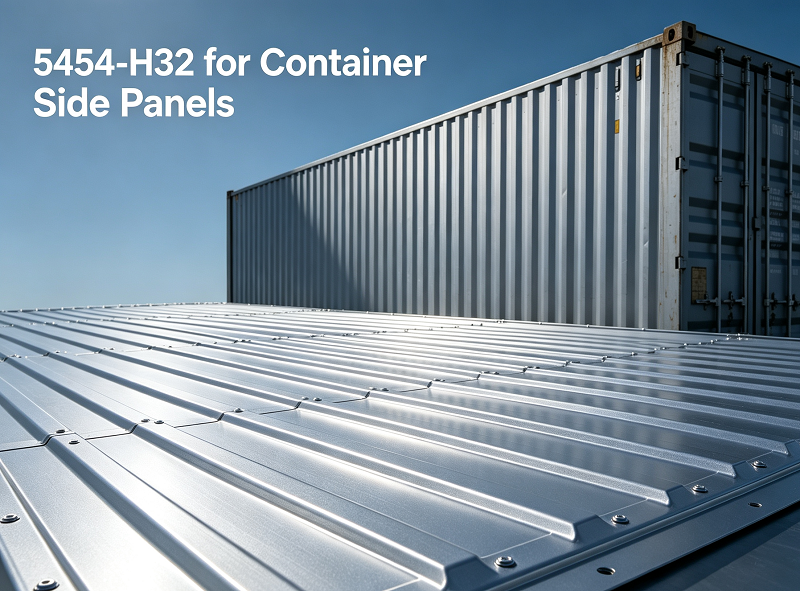
What Is 5454‑H32 Aluminum Alloy? 5454‑H32 Alloy Plate is an ideal material for structural components such as container side panels, tank truck bodies, and various pressure vessels. 5454 indicates that it belongs to the Al-Mg series of rust-resistant aluminum alloys, and H32 means that it has undergone strain hardening and stabilization treatment, maintaining good corrosion […]